
Creating a pet-friendly yard doesn't have to be overwhelming, but it does require some thoughtful planning. You'll want to assess your space carefully, identifying areas for play, relaxation, and even bathroom breaks, while also eliminating hazards. Choosing the right plants and ensuring secure fencing can make all the difference in keeping your pets safe and happy. As you consider these elements, think about how you can enhance your yard even further to cater to your furry friends' needs. There are essential features you might not have considered yet, and they could transform your outdoor space significantly.
Assess Your Yard's Layout
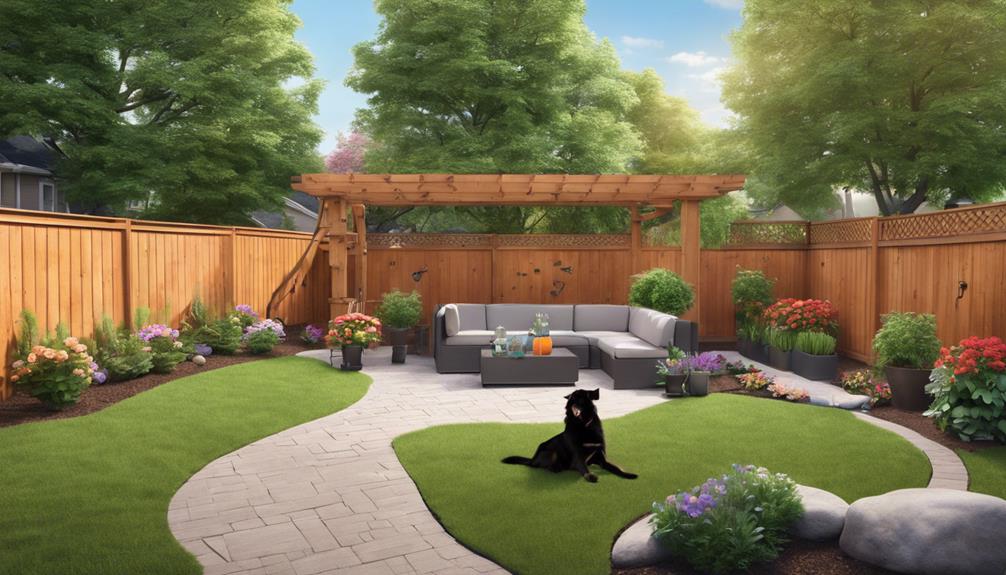
When you assess your yard's layout, you're taking the first step toward creating a pet-friendly environment. Start by observing how your pets currently use the space. Do they've room to roam freely, or are they confined to a small area? Check for any potential hazards like sharp objects, holes, or toxic materials that could pose risks.
Next, consider the flow of the area. Are there pathways for your pets to navigate easily, or do they've to dodge obstacles? A well-defined path can encourage exploration without the worry of injury.
Also, think about designated zones. You might want a play area with toys, a quiet spot for relaxation, or a designated bathroom area.
Evaluate your fencing as well. Is it secure enough to keep your pets inside and prevent them from escaping? If you have a garden, ensure it's easily accessible but safe from curious paws.
Lastly, think about shade and shelter. Your pets need a comfortable place to escape the sun and rest. By carefully assessing your yard's layout, you're setting the foundation for a safe and enjoyable space for your furry companions.
Choose Safe Plants
Creating a safe environment for your pets involves careful selection of plants in your yard. Not all greenery is pet-friendly, and some plants can be toxic if ingested.
Start by researching which plants are safe for dogs and cats. Common pet-friendly options include marigolds, sunflowers, and certain herbs like basil and parsley.
Avoid plants like azaleas, lilies, and oleander, as these can pose serious health risks to your furry friends. If you're unsure about a specific plant, consult resources or your veterinarian for guidance.
Additionally, consider using non-toxic pesticides and fertilizers. Many chemicals can be harmful to pets, so look for organic options or those specifically labeled as pet-safe.
When planting, be mindful of the layout. Position any potentially harmful plants out of reach, or consider using barriers to keep your pets away from them.
Lastly, keep your yard tidy. Regularly remove fallen leaves, seeds, or flowers that your pets might chew on.
Build Secure Fencing

A secure fence is essential for keeping your pets safe and contained in your yard. When building or upgrading your fence, consider the height and material. For dogs, a fence should be at least six feet tall to prevent jumping, while sturdy materials like wood, vinyl, or chain link are ideal.
Cats may not need as high a fence, but they can still climb, so a solid structure with vertical barriers at the top can help keep them in.
Pay attention to the ground as well. Digging is a common escape method, so burying the fence at least a foot underground or adding a concrete base can deter this behavior. Make sure there are no gaps or holes where a curious pet might slip through.
Regularly inspect your fence for wear and tear, fixing any damage promptly.
Don't forget to secure gates with locks or latches that are difficult for pets to manipulate. This keeps your pets from sneaking out when you're not paying attention.
Create Designated Play Areas
Designated play areas in your yard can transform it into a fun and safe environment for your pets. Start by selecting a specific section of your yard where your dog or cat can run and play freely. Choose an area that's away from busy pathways or traffic to minimize distractions and potential hazards.
Next, consider the surface. Grass is a great choice, but if your pet loves digging or rough play, you might want to add rubber mats or soft turf to protect their paws. Make sure to remove any toxic plants or sharp objects that could pose a risk.
You can also enhance these play areas with engaging features. Install agility equipment like tunnels, jumps, or climbing structures for dogs, or set up a cozy corner with scratching posts and toys for cats.
Ensure the space is clearly defined, so your pets know where they can play. Use decorative barriers or fencing to create a boundary, making it easier for you to supervise their activities.
With a designated play area, you'll encourage exercise and socialization while keeping your pets safe and happy.
Provide Shade and Shelter
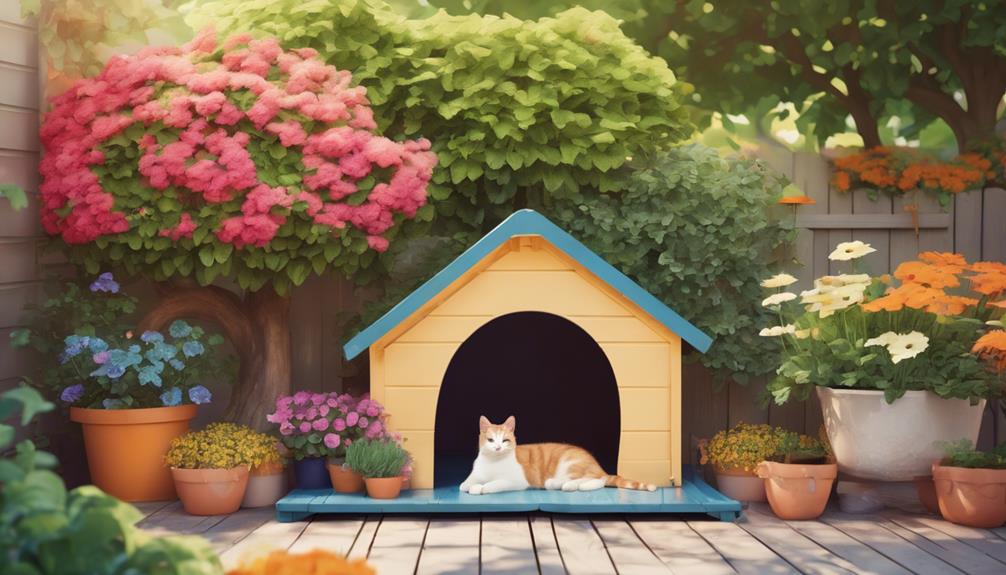
Since pets can easily overheat during sunny days, providing ample shade and shelter in your yard is essential for their comfort and safety.
Start by identifying areas in your yard that receive direct sunlight for most of the day. These spots can become hot and uncomfortable for your furry friends. Consider planting trees or installing tall shrubs to create natural shade.
If you don't have enough trees, think about adding a gazebo, pergola, or even a simple canopy. These structures can offer a cool retreat where your pets can relax and escape the heat. Make sure there's enough space for them to lie down comfortably and enjoy their time outdoors.
Additionally, providing a sheltered area, like a dog house or a cozy cat nook, can give your pets a safe space during inclement weather.
When choosing materials, opt for durable, weather-resistant options that require minimal maintenance. Ensure that the shelter is well-ventilated to keep it cool during hot days.
Install Pet-Friendly Features
After ensuring your yard provides ample shade and shelter, it's time to enhance its pet-friendly qualities with specific features that cater to your pets' needs.
Consider installing a designated play area with durable, non-toxic materials. A grassy patch or artificial turf can give your dog a soft surface to run and play on while minimizing dirt and mud.
For your cats, create vertical spaces like shelves or cat trees where they can safely climb and observe their surroundings. This adds enrichment to their environment and keeps them entertained.
Add water features like a shallow pond or a pet-friendly kiddie pool for those hot days. It's a great way for your pets to cool off and enjoy some splashing fun.
If you have a fence, ensure it's tall enough and secure to keep your pets safe. You might also consider installing pet gates for easy access between yard sections.
Lastly, think about creating a digging area filled with sand or dirt. This allows your pets to indulge their natural instincts without ruining your landscaped areas.
These features will transform your yard into a welcoming paradise for your furry companions.
Maintain a Clean Environment
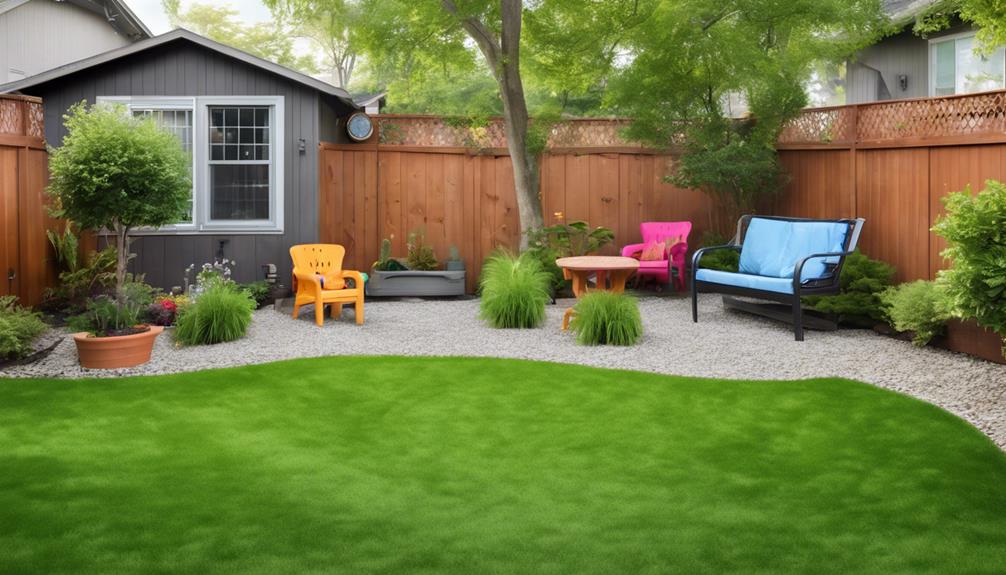
Maintaining a clean environment in your pet-friendly yard is crucial for the health and happiness of your furry friends. Regularly picking up after your pets helps prevent the spread of bacteria and parasites. Make it a habit to walk through your yard daily, collecting any waste and disposing of it properly.
Next, ensure your yard is free of harmful debris. Check for sharp objects, toxic plants, or any chemicals that could pose a risk to your pets. Keep trash bins secured to prevent scavenging and potential ingestion of harmful items.
Additionally, consider your yard's drainage system. Standing water can attract pests like mosquitoes, which can carry diseases. Make sure to address any pooling water and keep your yard well-drained.
Don't forget about your pet's play areas. Regularly wash toys and clean surfaces where your pets spend time, reducing the buildup of dirt and allergens.
Lastly, establish a regular maintenance schedule for your lawn and garden. Healthy grass and plants not only look great but also promote a safe environment for your pets to explore.
Frequently Asked Questions
What Are the Best Pet-Friendly Materials for Outdoor Furniture?
When choosing outdoor furniture, you want materials that can withstand your pets' antics.
Look for durable options like aluminum, which resists rust and scratches, or high-density polyethylene, which is easy to clean.
Teak and eucalyptus are great choices too, as they're both weather-resistant and sturdy.
Avoid materials like untreated wood that can splinter, or fabrics that stain easily.
With the right materials, your outdoor space can be both stylish and pet-friendly!
How Can I Keep My Pets Safe From Garden Pests?
To keep your pets safe from garden pests, start by using natural repellents like neem oil or diatomaceous earth.
You can also plant pest-resistant flowers and herbs, which deter unwanted insects.
Regularly check your yard for any signs of pests and remove them promptly.
Create a barrier with fencing or netting to protect vulnerable plants.
Lastly, keep your pets on a leash during outdoor time to prevent them from exploring potentially hazardous areas.
Are There Specific Toys Recommended for Outdoor Play?
When you're looking for the best toys for outdoor play, consider durable options like frisbees, balls, or tug ropes. These encourage active play and can withstand rough handling.
If you've got a dog, try squeaky toys or interactive puzzles to keep them engaged.
For cats, feather wands or laser pointers can provide great exercise. Just make sure the toys are safe and appropriate for your pet's size to avoid any accidents.
How Do I Discourage Digging in My Garden?
To discourage digging in your garden, you can start by providing designated digging areas with sand or loose soil.
When you catch your pet digging in the wrong spot, redirect them gently to the appropriate area.
Additionally, consider using barriers like chicken wire or rocks to protect vulnerable plants.
You might also try sprinkling citrus peels or vinegar around, as many pets dislike the scent.
Consistency and positive reinforcement will help reshape their behavior.
What Should I Do if My Pet Eats a Harmful Plant?
If your pet eats a harmful plant, don't panic.
First, identify the plant and check its toxicity level. Contact your veterinarian immediately, providing details about the plant and your pet's symptoms.
They'll give you guidance on the next steps. If possible, take a piece of the plant with you for identification.
Keep an eye on your pet for any changes, and ensure they stay hydrated while you seek help.
Conclusion
By following these tips, you can create a pet-friendly yard that both your dogs and cats will love. Assess your space, choose safe plants, and build secure fencing to keep them safe. Designate play areas and provide shade and shelter for comfort. Don't forget to maintain a clean environment to ensure their health and happiness. With a little effort, your yard can be a fun and safe haven for your furry friends!